Five Split food tours compared on what you actually eat, how long they run, and cost per hour, including why two of the five are the same walk sold twice and why one price looks double the rest.
What You Should Know
- Walking tours of Diocletian's Palace and Split's two working markets, Pazar and Peškarija, with four to six stops. Portions are generally substantial rather than token tastings, so arrive hungry.
- Most run in the morning, when both markets are trading. Afternoon and evening departures lean toward restaurants and bakeries instead. Expect 1.5 to 4 hours, and expect them to overrun.
- €99 to €120 per person, with two listings quoted at €199 per group of up to two. Check whether wine is included in the price or ordered at the table.
- How much history you get is set by your guide, not the itinerary. Guests who say at the start which they came for, the food or the history, get the balance they wanted.
Food Tours in Split, Croatia: What You Are Actually Booking
A Split food tour is a walking tour of Diocletian's Palace that happens to feed you a full meal along the way. Every option on this page follows the same basic shape: three to six stops inside the 1,700-year-old palace walls and the two markets pressed against them, with a licensed guide explaining both the Roman stonework and what is on the plate. Tours run 1.5 to 4 hours and cost €99 to €199, and the food is genuinely a meal rather than a series of samples.
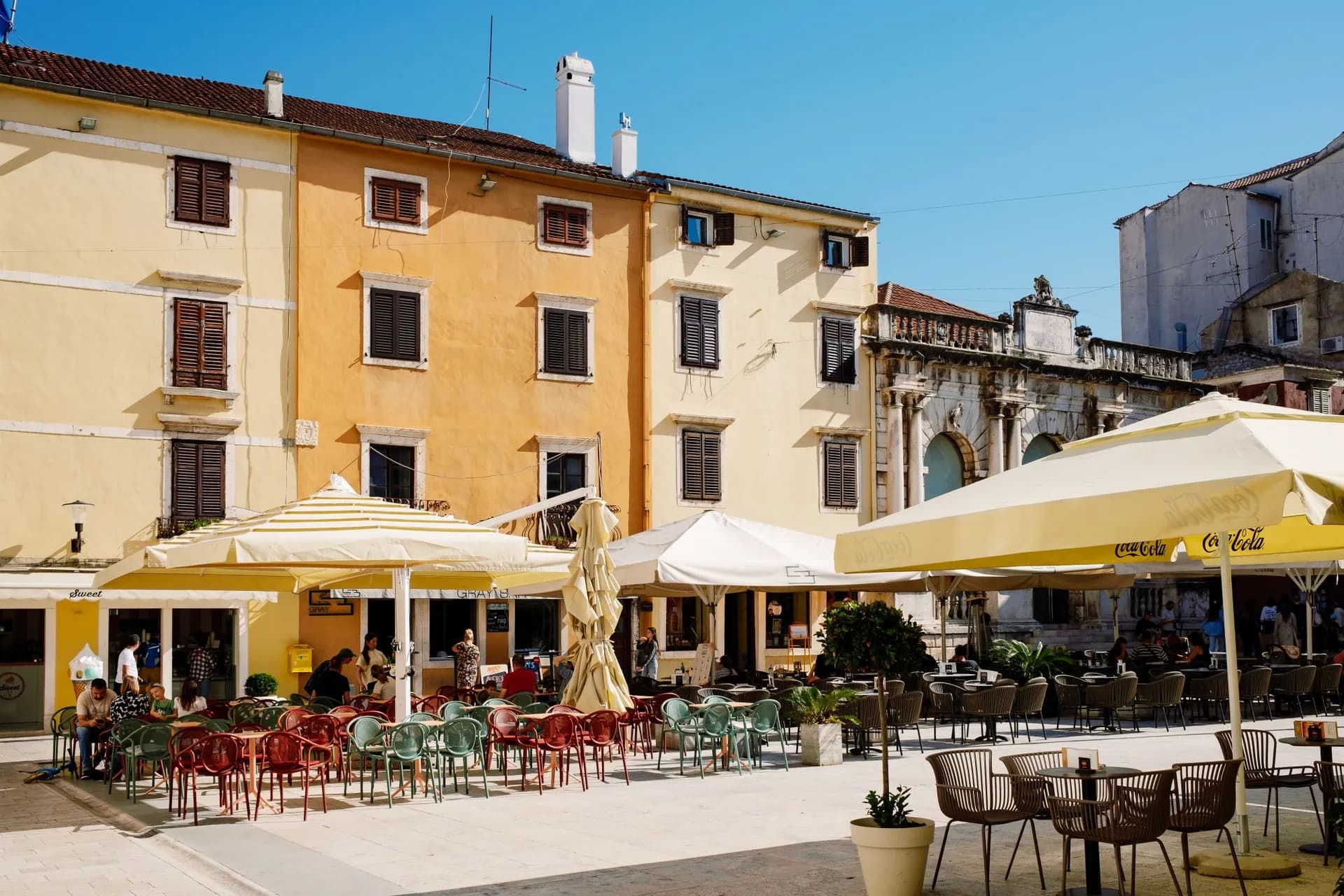
The two markets are what separate a food tour in Split from a food tour anywhere else on the Dalmatian coast. Pazar, the open-air green market, sits against the eastern wall of the palace, and Peškarija, the fish market, sits just outside the western wall. Both are working markets used by residents at seven in the morning, not heritage displays, and every tour here routes through at least one of them.
What most listings do not spell out is that these five tours are not five distinct experiences. Two of them are the same walk from the same operator, sold under different names at the same price. Two more overlap heavily on their stop lists. The real decisions are how long you want to be out, whether you want a sit-down restaurant course or a market-and-street-food crawl, and whether you are paying per person or per group. We have laid all four out below.
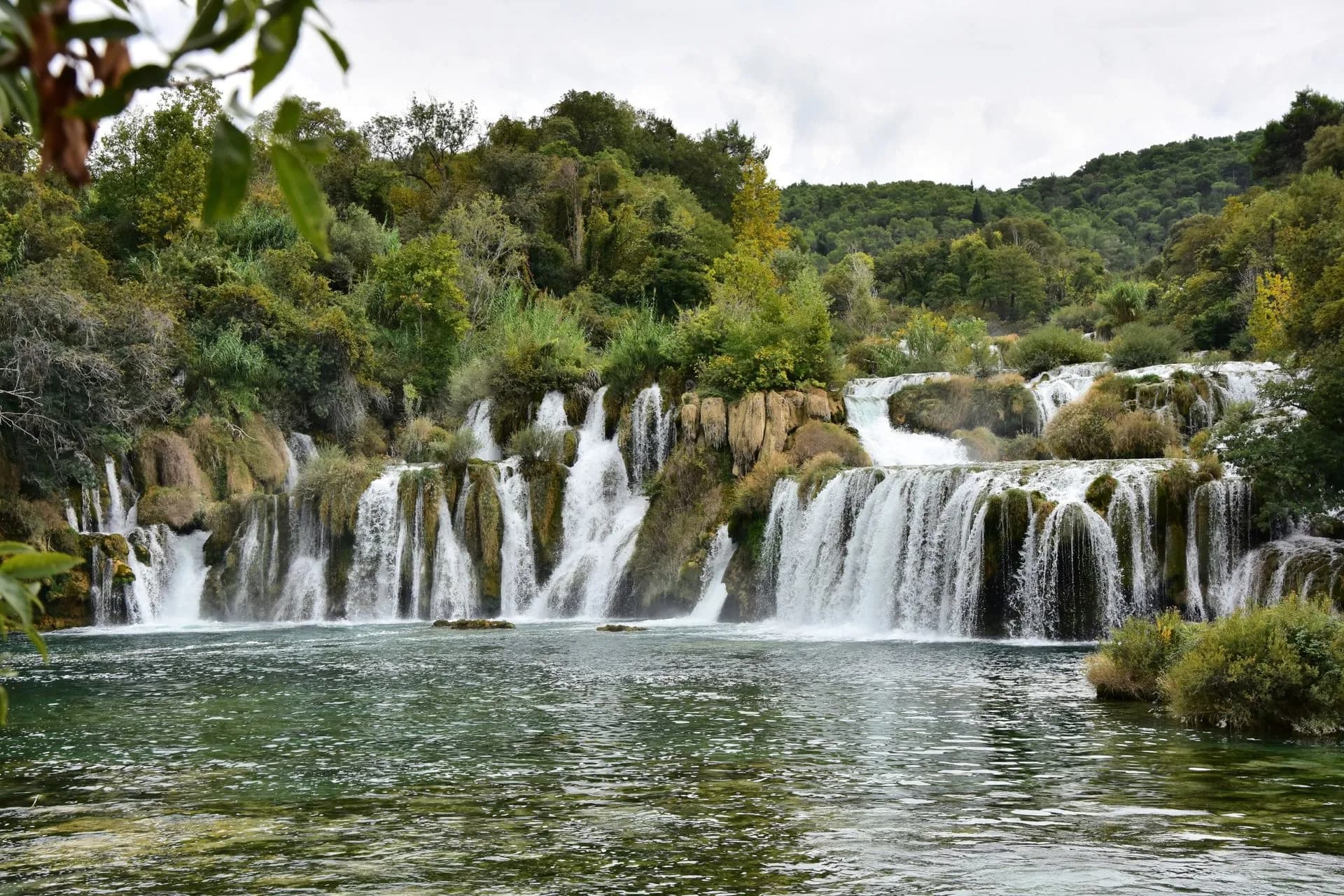
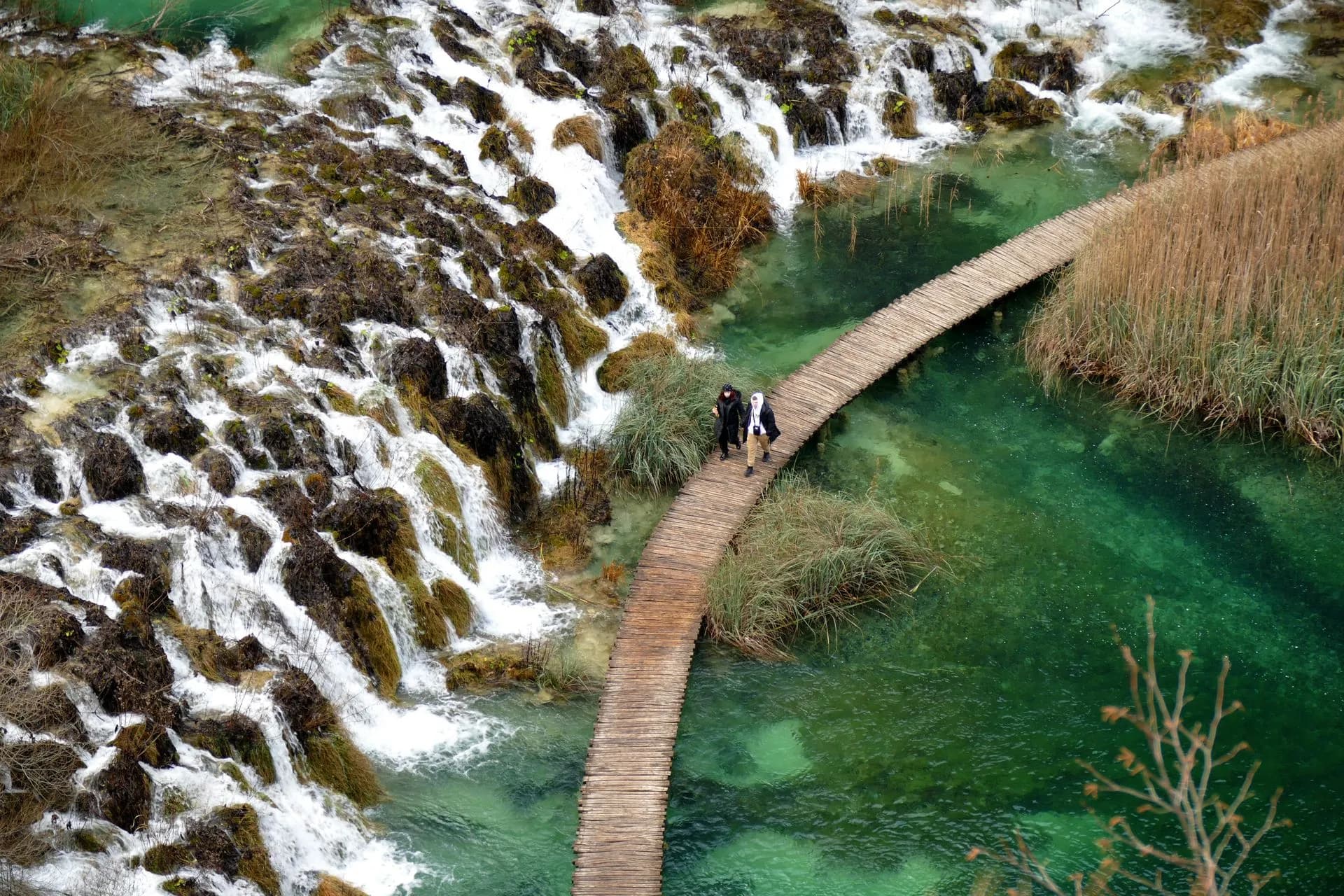
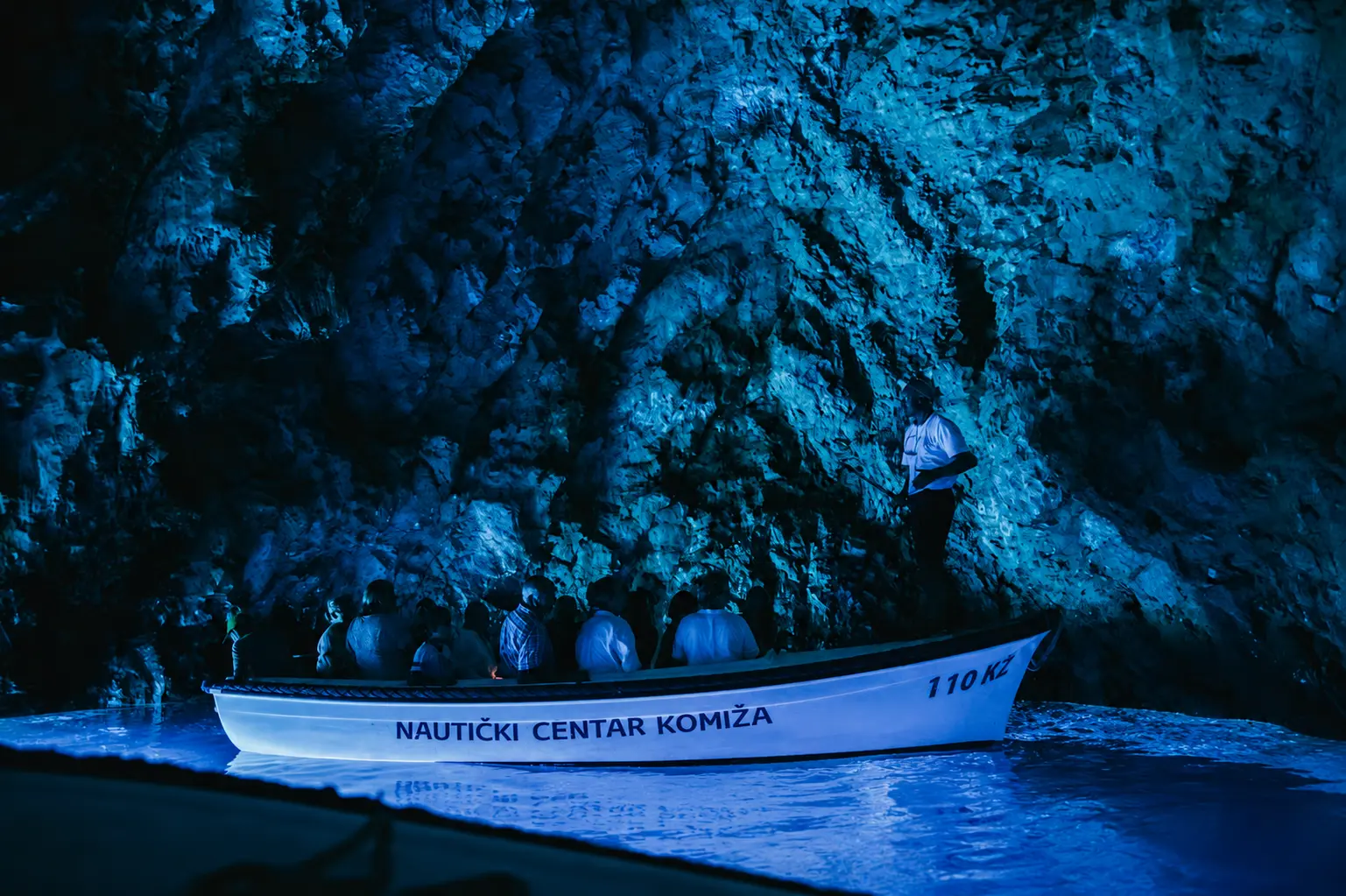
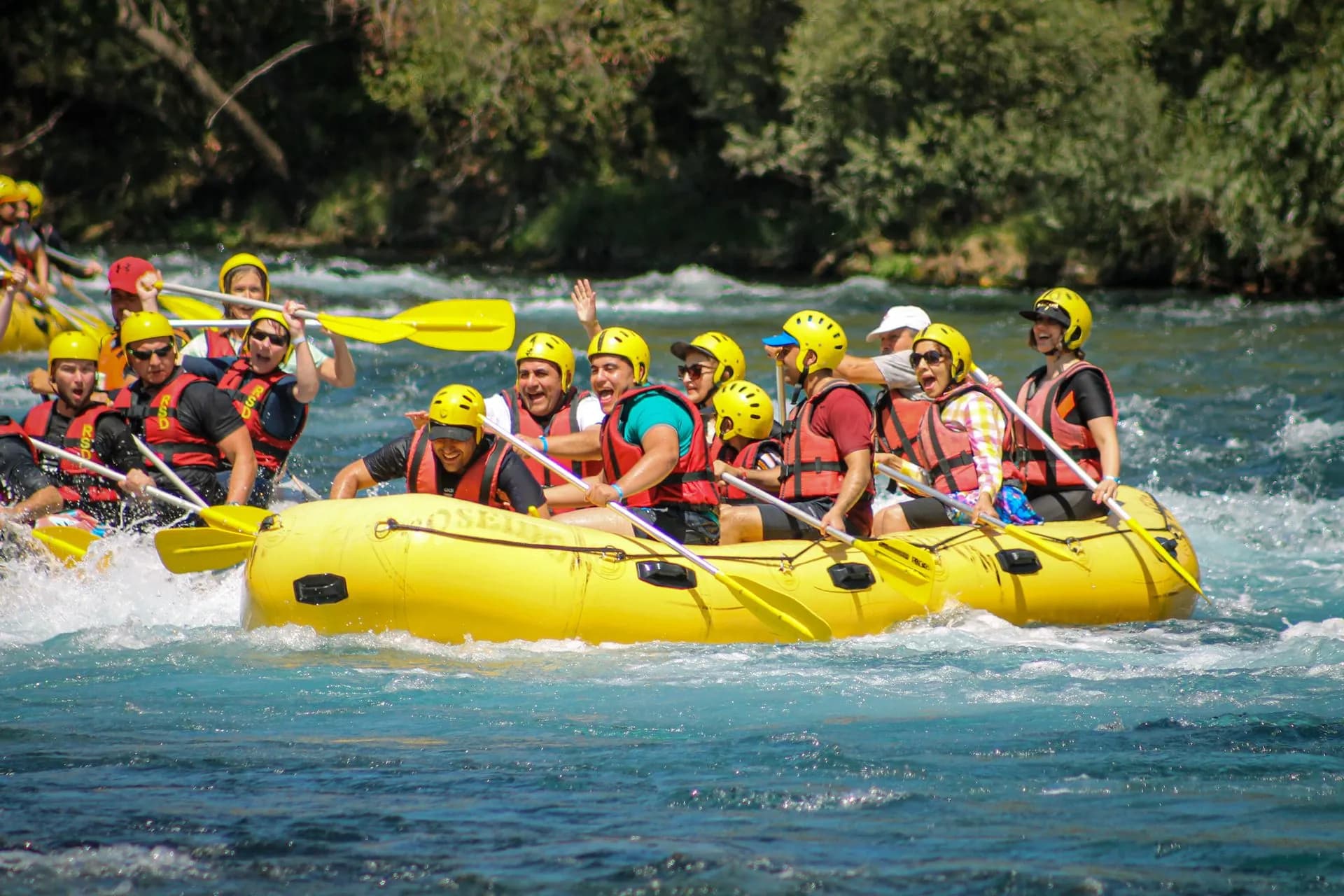
Food tours also pair well with the bigger day trips, because they take a half day at most and run rain or shine. If you are building an itinerary, the usual companions are a Blue Cave tour from Split, a Krka waterfalls day trip, the longer haul inland to Plitvice Lakes, or a morning of Cetina river rafting near Omiš. For the same streets with the history rather than the food, there is a Split walking tour, and for a half day on the water a Blue Lagoon boat trip.
Split: Historical & Gastro Treasures Tour with Green Market
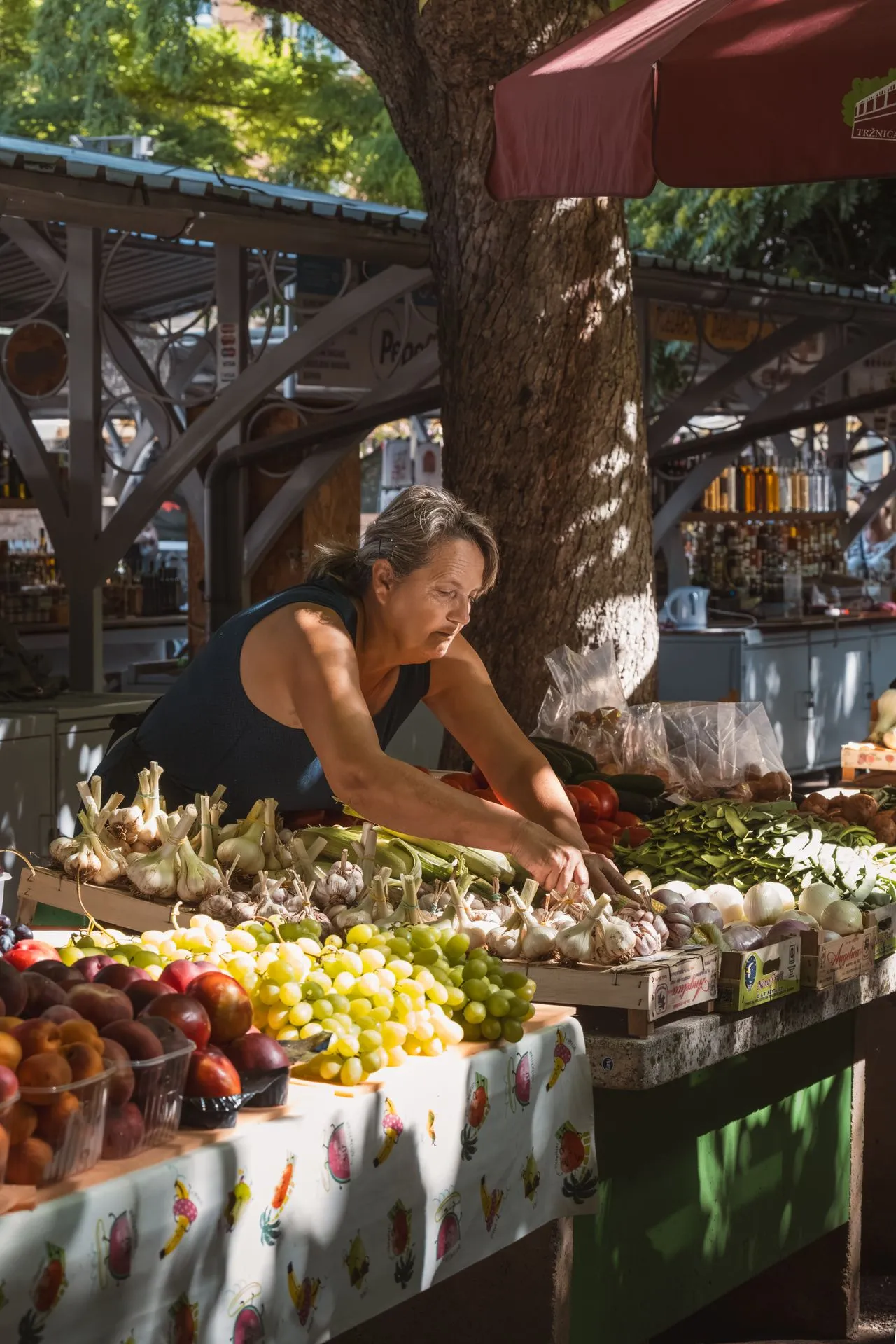
Green Market marenda of pršut, cheese and soparnik plus a seated konoba course with wine; the only tour here doing both, and the best rated at 4.9.
Book NowOur Take
Read the price unit before the price. Two of these five are quoted per group of up to two, so a couple pays about €100 each rather than €199, and both jump from looking like the most expensive options to sitting mid-pack. Once you normalize that, the spread narrows to roughly €99 to €120 per person and the real variable becomes time: 90 minutes at one end, four hours at the other, for very similar money. Those two group-priced listings also share a meeting point, a stop list and an operator, so treat them as one option with two lengths rather than two separate candidates.
Best Split Food Tours: Side-by-Side Comparison
| Tour | Price | Online Rating | Duration | Cost Per Person, Per Hour | Group Size | Meeting Point | What You Eat |
|---|---|---|---|---|---|---|---|
| Top Rated Split: Historical & Gastro Treasures Tour with Green Market Book Now |
€120 per person | ⭐ 4.9 (163 reviews) Read Reviews |
3 hrs | ~€40 | 2–12 | Hrvojeva 1, beside the Green Market | Market marenda of pršut, cheese, peka bread and soparnik with grappa, then a konoba course of seafood, two pastas and black risotto with Brač red, then gelato |
| Split Food Tour: Discover Split One Bite at a Time Book Now |
From €120 per person | ⭐ 4.9 (38 reviews) Read Reviews |
4 hrs | ~€30 | Up to 12 | Red SPLIT sign, east end of the Riva | Charcuterie board with pršut, pancetta, cheese, olives and fig jam, black risotto, pašticada with gnocchi, burek, gelato and a rakija shot |
| Split's Ultimate Walking Food Tour with Full Meal & Drinks Book Now |
€99 per person | ⭐ 4.7 (78 reviews) Read Reviews |
3 hrs | ~€33 | 2–12 | Trg Braće Radić 5 | Burek, crni rižot, ćevapi, traditional desserts, rakija, with wine and water throughout and a full serving at every stop |
| Split: Food Tasting Walking Tour Book Now |
€199 per group (up to 2) | ⭐ 4.8 (109 reviews) Read Reviews |
2 hrs | ~€50 | 10–12 | Golden Gate, look for the blue umbrella | Arancini and sugared almonds at Pazar, soparnik with local wine, pršut, Nadalina chocolate, bakery rafioli and salted anchovies at the fish market |
| Split: Small Group Food Tour with Private Option Book Now |
€199 per group (up to 2) | ⭐ 4.8 (116 reviews) Read Reviews |
1.5 hrs | ~€66 | Up to 10 | Golden Gate, look for the blue umbrella | The same sequence as the tour above: Pazar, soparnik, pršut, the chocolate shop, the old bakery and Peškarija |
ℹ️ All tour listings and the information on this page were reviewed by our team on August 29, 2026. Prices and availability may change, so always confirm with the operator before booking. Cost per hour is calculated per person, treating the two group-priced tours as two travelers sharing the €199 fee. Menus rotate with the season and market supply, so individual dishes vary, and whether wine is included in the price or ordered at the table differs by operator.
Compare the Most Popular Food Tours in Split
Five tours walking much the same ground, so the differences that matter are length, whether you sit down for a course or graze the markets, and whether the price covers one person or two. Compare them side by side, then check live dates below.
Book the Most Popular Option Directly
Live availability for the Historical & Gastro Treasures tour with the Green Market (4.9 from 163 reviews), the best-rated food tour in Split. Pick your date below.
- Three hours with a licensed local guide
- Groups capped at 12, minimum 2
- Market marenda plus a seated konoba course
- Local white, Brač red and grappa included
- Diocletian's Palace, the Peristyle, Golden Gate and Pjaca covered on the walk
- Vegan, vegetarian, gluten-free and nut-free versions with advance notice
- One departure a day at 10:30, so it fills early
- You cannot bring your own food or drink
We may earn a commission on bookings made through this widget — at no extra cost to you.
Real Reviews from Recent Travelers
Here's what recent travelers had to say after their trip, straight from verified bookings.
Show up hungry and take leftovers
Lucy was so knowledgeable and so much fun. Great tour! Show up hungry and take leftovers! All the vendors we met on the tour were so friendly and they made the tour that much better. Highly recommend this tour. It was a highlight of our stay in Split!
A really good mixture of local food and history
Our food tour with Lucija was excellent. It was a really good mixture of the local food and history. Also an opportunity to learn about Croatia and local traditions as well as getting some good recommendations for restaurants. There was plenty to eat. We would recommend this tour.
Really good food stops
Really enjoyed it and really good food stops. Natasha our guide was excellent and very knowledgeable about the city, highly recommended
What Is a Split Food Tour Like?
The shape of a typical morning, using our top pick as the reference:
- 0110:30
Meet at Hrvojeva 1
At the crossing of the Riva and Hrvojeva, by the southeast tower of Diocletian's Palace and right beside the Green Market. Your guide is holding an orange cooking spoon. Groups run 2 to 12.
- 02~30 min
Into Pazar, the Green Market
Through the open-air market against the eastern palace wall, where the guide introduces you to vendors selling figs, olives, capers, Pag cheese and pršut from the Dalmatian hinterland and the islands.
- 03~45 min
Marenda at the Market
The Dalmatian late-morning brunch, and the first proper sit-down: pršut, cheese, traditional peka bread and soparnik, with grappa alongside. This is where most people realise the portions are not samples.
- 04~30 min
Inside the Palace Walls
The historical half of the tour, walking the Peristyle at the heart of Diocletian's 4th-century palace, the Golden Gate, and Pjaca, the medieval Venetian square just west of the complex.
- 05~60 min
The Konoba Course
A seated stop at a traditional tavern for a seafood starter with local white wine, then two kinds of handmade pasta and black cuttlefish risotto served with a red from the island of Brač.
- 06~13:30
The Oldest Pastry Shop in Split
The tour closes with gelato or a seasonal traditional dessert, and usually a set of restaurant recommendations for the rest of your stay, which guests mention as one of the more useful takeaways.
- 01
Meet at Hrvojeva 1
At the crossing of the Riva and Hrvojeva, by the southeast tower of Diocletian's Palace and right beside the Green Market. Your guide is holding an orange cooking spoon. Groups run 2 to 12.
10:30 - ~30 min02
Into Pazar, the Green Market
Through the open-air market against the eastern palace wall, where the guide introduces you to vendors selling figs, olives, capers, Pag cheese and pršut from the Dalmatian hinterland and the islands.
- 03
Marenda at the Market
The Dalmatian late-morning brunch, and the first proper sit-down: pršut, cheese, traditional peka bread and soparnik, with grappa alongside. This is where most people realise the portions are not samples.
~45 min - ~30 min04
Inside the Palace Walls
The historical half of the tour, walking the Peristyle at the heart of Diocletian's 4th-century palace, the Golden Gate, and Pjaca, the medieval Venetian square just west of the complex.
- 05
The Konoba Course
A seated stop at a traditional tavern for a seafood starter with local white wine, then two kinds of handmade pasta and black cuttlefish risotto served with a red from the island of Brač.
~60 min - ~13:3006
The Oldest Pastry Shop in Split
The tour closes with gelato or a seasonal traditional dessert, and usually a set of restaurant recommendations for the rest of your stay, which guests mention as one of the more useful takeaways.
A food tour in Split runs 1.5 to 4 hours entirely on foot, covering perhaps a kilometre and a half of flat old town at a slow pace with long stops. There is no transport involved, and nothing about it is physically demanding beyond standing on cobblestones and stairs. Based on how these tours run in practice, the seated stops also make this one of the few Split excursions that holds up in bad weather, and guests describe rainy and windy days where the tour simply moved indoors between courses.
Our take (do not eat beforehand): This is the most repeated piece of guest advice across every operator here, and it is worth taking literally. Guests across these operators consistently describe substantial portions rather than token tastings, served at each of four to six stops and often with wine alongside, and routinely report finishing unable to face dinner. One guide's own advice to her group was to show up hungry and take the leftovers. Plan the tour as your main meal of the day rather than as an appetiser for one.
Our take (the guide matters more here than on any other Split tour): On a boat trip the Blue Cave is the Blue Cave regardless of who drives. On a food tour the guide is most of the product, because the value sits in the vendor introductions and the palace history threaded between courses. Reviews across these five name individual guides far more often than they name dishes. It is also why the smaller caps, 10 to 12 people, are worth paying attention to.
Say at the start how much history you want
Every one of these tours is sold as food plus history, and the ratio is set by your guide on the day rather than by the itinerary. Almost every genuinely disappointed guest we found had expected a history walk with food stops and got a run of restaurants instead, and the complaint that follows is always the same: they could have eaten at those places themselves for less. Guests who asked for more historical context at the start report getting it without any fuss. Two minutes of conversation when you meet the guide is the difference.
Our take (leave far more slack afterwards than the stated finish time): These tours run long more often than they run short. Stops last 20 to 30 minutes each, conversation stretches them, and guests describe the pacing as unhurried, which is a compliment until you have something booked. At least one guest missed the final dessert stop outright because the tour overran and they had to leave. If you have a ferry, a dinner reservation or another tour afterwards, budget 90 minutes beyond the advertised finish.
Our take (morning departures are not a preference, they are the point): Both markets wind down through the early afternoon, and the vendors these tours rely on start packing up. A morning slot gets you Pazar and Peškarija at full tilt; a late-afternoon slot gets you the restaurants and a much quieter market. If the market is why you booked, take the earliest departure offered.
Best Food Tours in Split
All five walk the same square kilometre of old town, and all five are sold as a meal rather than a snack. What separates them is how long you are out, whether the highlight is a market stall or a restaurant table, and how the price is counted. We would weight length over ticket price here, because stops run a fairly consistent 20 to 30 minutes whichever operator you pick. That arithmetic is the real difference between a 90 minute tour and a four hour one: about three stops against five or six.
Split: Historical & Gastro Treasures Tour with Green Market
The best-rated food tour in Split at 4.9 across 163 reviews, and the only one that does both halves of the job properly: a real marenda at the Green Market with pršut, cheese, peka bread and soparnik, then a seated konoba course of seafood, two pastas and black risotto with red wine from Brač. Three hours, capped at 12, and it finishes at the oldest pastry shop in the city.
Check availabilitySplit Food Tour: Discover Split One Bite at a Time
Four hours across five venues for €120 works out around €30 per person per hour, the lowest on this page. It is also the only tour here that serves pašticada, the slow-cooked Dalmatian beef and gnocchi dish that most visitors read about and never actually eat. The 4.9 rating is on the smallest review base here at 38, so it is less established than the others.
Check availabilitySplit's Ultimate Walking Food Tour with Full Meal & Drinks
The cheapest per-person entry at €99 and the most straightforwardly filling. Do Eat Better Experience serve a full portion at every stop rather than a taste, and the lineup leans savory and substantial: burek, crni rižot and ćevapi, with wine and water throughout and rakija to finish. Three hours from Trg Braće Radić, English and Croatian.
Check availabilitySplit: Food Tasting Walking Tour
The one to pick if the markets are the point. Two hours covering both Pazar and Peškarija, with arancini and sugared almonds at the green market, soparnik with local wine, the Nadalina chocolate shop and salted anchovies at the fish market. Priced at €199 per group of up to two, so about €100 each for a couple and poor value for a solo traveler.
Check availabilitySplit: Small Group Food Tour with Private Option
The same operator, meeting point and stop sequence as the tour above, compressed into 90 minutes for the same €199 per group. That makes it the most expensive hour on this page at around €66 per person, and it only makes sense if your schedule genuinely cannot spare more. If you have the extra half hour, book the two-hour version instead.
Check availabilityFood and the guide are included on all five, and there are no park fees or entry tickets of the kind that inflate the island and waterfall day trips out of Split. Drinks are the exception worth checking before you book: on some tours wine is poured at every stop as part of the price, and on others it is ordered and paid for at the table.
Pazar and Peškarija: The Two Markets Every Tour Uses
Almost every Split Croatia food tour is built around two working markets that sit on opposite sides of Diocletian's Palace, about six minutes' walk apart. Neither is a tourist attraction, and both are largely finished by early afternoon, which is why nearly all of these tours run in the morning.
Pazar, the green market
Pazar presses right up against the eastern wall of the palace, under the Silver Gate. It is open-air, loud, and stocked by growers from the surrounding Dalmatian hinterland and the islands: figs, olives, salt-cured capers, sheep's cheese from Pag, and pršut air-dried in the bura, the cold northeasterly wind that gives Dalmatian ham its texture. This is where the tastings on most tours begin, and where guides tend to introduce you to vendors directly. One pattern we noticed across reviews is how often those introductions, rather than any single dish, are what guests name as the highlight, and the guides who clearly have a standing relationship with the stallholders draw the warmest write-ups.
Peškarija, the fish market, and why there are no flies
Peškarija sits just outside the western wall on Kraj Svetog Marije, and it is the detail worth knowing before you go. It is a fish market with no flies, and that is not an accident. The market was deliberately built next to Sumporne Toplice, the 1903 sulphur spa, because flies will not tolerate the sulphur in the air. Stand there and you can smell it faintly under the fish.
Those same springs are part of why the palace is here at all. Diocletian suffered from rheumatism, and the sulphur water was among the reasons he chose this stretch of coast to retire to in the early 4th century. Seventeen centuries later the geology is still doing something useful, keeping the city's fish market clean. Guides who know Split well tend to mention it, which makes it a reasonable test of whether you have drawn a strong one.
What You Actually Eat on a Split Food Tour
Menus rotate with the season and with what the market has, so no operator guarantees a fixed lineup. These are the dishes that recur across the five tours compared here, and what each one actually is.
A Chard Pie with EU Protected Status
Two sheets of thin dough with a filling of Swiss chard, onion, garlic and olive oil, baked directly on a stone hearth under embers and then brushed with garlic oil. It comes from Poljica, the small region between Split and Omiš, and it carries EU protected geographical indication status. It appears on four of the five tours here and is the single most distinctly local thing you will eat.
Dalmatia's Wedding Dish
Beef marinated in wine and vinegar, larded with bacon and garlic, then braised for hours with prošek dessert wine and dried plums until it falls apart. It is served over homemade gnocchi and traditionally paired with a Plavac Mali red. It takes two days to make properly, which is why only one tour on this page serves it.
Black Cuttlefish Risotto
Risotto cooked with Adriatic cuttlefish and its own ink, which turns the rice glossy black and gives it a clean, briny depth rather than the heavy fishiness people brace for. It appears on three of the five tours. It will stain your teeth for the next hour, which every guide warns you about and most guests still forget.
Ham, Cheese and Olive Oil
The standard Dalmatian marenda board. Pršut is ham air-dried in the bura wind rather than smoked, and paški sir is a hard sheep's milk cheese from the island of Pag, where the sheep graze on wild herbs in salt spray. Served with olives, fig jam and bread with local olive oil.
Not the Sicilian Rice Balls
In Dalmatia arancini are strips of orange peel boiled and candied in sugar, a sweet snack sold by the bag at Pazar. They share only a name with the fried rice balls of Sicily. Two tours here serve them, usually alongside sugared almonds, and travelers who order expecting the Italian version are reliably surprised.
Fruit Brandy and Travarica
The shot that ends or punctuates most of these tours. Travarica is infused with local herbs and is what you are most likely handed in Dalmatia; lozovača is the grape version. It is stronger than it looks, typically 40 percent and up, and it is poured at least once on every tour here.
Vegetarian, vegan, gluten-free and nut-free versions are available on several of these tours, but the stops are small family businesses that portion ahead. Flag requirements when you book rather than on the morning.
Our Take
The per-group pricing is the one genuine trap on this page. A solo traveler comparing a €99 listing against a €199 listing is not looking at a budget option and a premium option, but at a per-person price against a two-person price, and the €199 tour is also the shortest. For a couple those same two listings land within €5 of each other per head. Work out your party size first and half the confusion on this page disappears.
Split Food Tour Prices
Tours run €99 to €199, but that range is misleading until you separate per-person pricing from per-group pricing. Normalized to one person, the real spread is far narrower: roughly €99 to €120 across all five. We would book the four hour option if you are treating the tour as lunch and the day's sightseeing at once, and a three hour one if you have anything else planned, since these tours overrun more often than they finish early. Here is what the money actually buys.
Three Hours, Full Portions
The lowest per-person price here, and not a stripped-back version of the others. Three hours, a full serving at each stop, wine and water throughout, and rakija to finish. At about €33 per person per hour it is the second-best value on the page and the easiest one to recommend on price alone.
Where Most Travelers Land
Two tours sit at this price and they buy quite different days: three hours combining a market marenda with a seated konoba course, or four hours across five venues including pašticada. Both are rated 4.9. Choose on length and on whether you want a restaurant table or a longer graze.
Priced for Two, Not for One
Two listings quote €199 per group of up to two people. For a couple that is close to €100 each, which puts them in line with everything else. For a solo traveler it is the full €199 for a 90 minute or two hour walk, and comfortably the worst value here. Check the party size the price assumes before you book.
What You Still Pay For
Food and the guide are covered on all five and there are no entry fees or tickets. Drinks are the variable: some tours include wine at every stop, while on at least one it is ordered at the table, where groups typically split a bill of €10 to €15 a head. Budget for that, a tip of around 10 percent if the guide earned it, and cash for anything you buy at the market.
Best value overall: the four-hour tour at €120, which works out near €30 per person per hour, or the €99 three-hour option if you want the lowest ticket price without giving up a full meal.
Our Take
The honest summary is that a food tour is the highest-value single booking in Split for anyone on a short stay, because it bundles orientation, history, two markets and a full meal into one morning. The two things that decide whether it lands are your party size, which changes the price by up to double, and the guide, who is most of what you are paying for. Neither of those is visible in a price comparison, which is why the cheapest listing is rarely the right answer here.
Who a Split Food Tour Suits, and Who Should Skip It
Ratings across all five sit between 4.7 and 4.9, so this is a low-risk booking for most people. There are still a few mismatches worth naming before you commit €100 or more per head.
Worth it if you have one or two days in Split
This is the strongest case for booking one. A three hour tour gives you the palace walk, the two markets, an orientation to the old town and a full meal in a single block, and you finish with restaurant recommendations for the rest of your stay. On a short visit it does the work of three separate outings.
Think twice if you are a solo traveler on a budget
Two of these five are quoted per group of up to two, which means a solo booking pays roughly double the per-head rate of everyone else on the tour. Stick to the per-person listings, where €99 to €120 is what you actually pay.
Not the right call if you want a quiet, seated dinner
These are walking tours with eating built in, not restaurant meals. You are on cobblestones and stairs, standing at market stalls, in a group of up to 12, for between 90 minutes and four hours. Most tours include one proper seated course, but the format is a crawl. If what you want is a long table and a wine list, book a konoba directly.
Manageable with dietary restrictions, but only if you say so early
Vegan, vegetarian, gluten-free and nut-free versions exist on several of these tours. The catch is that the stops are small family businesses portioning ahead of your arrival, so a request made on the morning often cannot be accommodated. Note it at the time of booking and confirm by email.
Skip it if what you actually want is a history tour
This is the clearest mismatch in the guest feedback, and we would look elsewhere if it describes you. These are food tours with history threaded between courses, not guided history walks that happen to feed you, and the depth of the history varies with the guide. Travelers who booked expecting the latter tend to come away feeling they paid a premium for three restaurant meals they could have found themselves. If the Roman history is your priority, book a dedicated Diocletian's Palace walking tour and eat separately, or tell your food tour guide at the meeting point that you want the history laid on thick.
Worth knowing if you are sensitive about what you are served
The food is overwhelmingly well reviewed, but these are set menus with no substitutions on the day, and a minority of guests simply do not enjoy the dishes chosen. Homemade wine and rakija poured by market vendors is the most polarizing item: it is the authentic version of the thing, and it is not always pleasant to a palate that has not met it before. If you are a cautious eater, read the menu on the listing first rather than treating it as a surprise.
Fine with children, with one caveat
Groups here are small and the pace is slow, which works with children better than most tours do. The confirmed age range on the four-hour option is 6 to 85. The caveat is length: four hours of adult conversation between food stops is a lot to ask of a young child, and the shorter tours suit families better.
From Our Experience
What we consistently see is that the food-to-history balance gets set by your guide on the day rather than by the itinerary. Saying which one you came for when you meet them is the single cheapest thing you can do to make the tour land.
Tips for Booking a Food Tour in Split
- Do not eat beforehand. The single most repeated piece of guest advice across every operator on this page. Four to six substantial courses, often with wine, adds up to a meal and a half, and guests routinely report skipping dinner afterwards. Treat the tour as your main meal of the day.
- Check whether the price is per person or per group. Two of the five here quote €199 per group of up to two. For a couple that is roughly €100 each; for a solo traveler it is €199 for 90 minutes. This is the most common way people misread the cost of a food tour in Split.
- Take the morning departure if the markets matter to you. Pazar and Peškarija both wind down through the early afternoon. A late slot still delivers the restaurants, but you will see a half-empty market rather than a working one. Most people do not realize the afternoon and evening departures are effectively a different tour, weighted toward restaurants and bakeries rather than market stalls.
- Declare dietary requirements when you book, not on the day. Vegan, vegetarian, gluten-free and nut-free options exist, but the stops are small family businesses that prepare portions in advance. Confirm by email as well as ticking the box. Guests who did give notice report the accommodation being handled well, including for vegans and for people with limited mobility, so it is worth doing rather than assuming you will cope on the day.
- Wear shoes you can walk on cobblestones in. The old town is polished limestone worn smooth by seventeen centuries of foot traffic and genuinely slippery when wet. There are stairs at several palace stops and no way around them.
- Book the food tour early in your stay. The restaurant and konoba recommendations from the guide are one of the most useful things you take away, and they are worth having on day one rather than day four.
- Compare cost per hour, not headline price. Across these five it ranges from about €30 to about €66 per person per hour. The €99 tour and the €120 four-hour tour are both better value per hour than the €199 group listings, which is the opposite of what the prices suggest.
- Expect black teeth after the risotto. Crni rižot is cooked with cuttlefish ink and stains for an hour or so. Guides warn everyone and it still catches people out mid-photo. Not a reason to skip it.
- Bring a little cash for the market. Card acceptance at Pazar stalls is patchy, and once you have tasted the pršut, the fig jam or the herb rakija you will probably want to take some home. A card-only wallet is the common regret here.
- Tell the guide at the meeting point how much history you want. The food-to-history balance is set on the day, not by the itinerary, and guests who ask for more historical depth consistently report getting it. This single request is the difference between the tours people rave about and the ones they feel they overpaid for.
- Leave 90 minutes of slack after the advertised finish time. These tours overrun more often than not, because stops run 20 to 30 minutes each and nobody hurries the table. Guests with a ferry or a dinner booking afterwards have had to walk out before the final course.
- Ask whether wine is included or ordered at the table. It differs by operator and it is not always obvious from the listing. Where it is not included, groups typically split a bill of €10 to €15 a head at the restaurants, which quietly narrows the gap between a cheaper tour and a pricier one. Water is free throughout on all of them.
- Bring a hat and a water bottle in July and August. You are walking the old town in full sun between air-conditioned stops, and the palace stone holds heat well into the evening. Split's tap water is safe and there are public fountains throughout the centre to refill from.
- Do not plan anything demanding for the afternoon. A three hour tour with wine at several stops ends around 13:30 and leaves most people slow. Pair it with the Riva, a swim at Bačvice or a nap rather than a second excursion.
How We Selected These Tours
Our team compared the food tours bookable in Split on rating, review volume, and how clearly each listing sets out the two things that actually vary between them: how long the tour runs and what the quoted price covers. On a page where five operators walk broadly the same route through Diocletian's Palace, those two fields decide the booking far more than the itinerary does. We kept five that span the real range travelers choose between: the best-rated option, the cheapest per person, the longest, the shortest, and the most market-focused. Prices, ratings and review counts were taken directly from the live listings on the date shown in the comparison table above. Durations, group caps, meeting points and menus were cross-checked against operator websites and independent booking mirrors rather than trusted from a single source, which is how we found that two of the five share a meeting point, a stop sequence and an operator. Cost per hour is our own calculation, not an operator figure. For the two tours quoted per group of up to two people, we divided the group price by two, which is the fairest comparison for the couples those listings are priced for and a materially worse deal for anyone travelling alone. We have said so rather than burying it. Where sources disagreed, and they did on duration and meeting points in particular, we went with the operator's own published figure. Descriptions of individual dishes come from Croatian and Dalmatian food sources rather than from tour marketing, which tends to describe every menu as authentic without saying what is on it. We have not personally taken all five of these tours. Where we describe stop sequences, menus and what guests consistently report, we are drawing on published itineraries, operator sites and guest reviews, and we have said so rather than implying otherwise.
Frequently Asked Questions
How much does a food tour in Split cost?+
Between €99 and €120 per person for the per-person listings, with two tours quoted at €199 per group of up to two people, which works out near €100 each for a couple. Food and the guide are included on all of them, and unlike the island and waterfall day trips there are no entry fees or tickets. Drinks are the one thing to check: some tours pour wine at every stop as part of the price, while on others it is ordered at the table for roughly €10 to €15 a head. Budget for that, a tip, and anything you buy at the market.
Are Split food tours worth it?+
For a short stay, yes. A three hour tour combines a guided walk of Diocletian's Palace, both of the city's working markets, a full meal and a set of restaurant recommendations into one morning, which is the work of three separate outings. All five tours compared here rate between 4.7 and 4.9. It is a weaker case if you have a week in Split and plan to explore the markets and konobas yourself.
How long is a Split food tour?+
Between 90 minutes and four hours, with three hours being the most common length. The shortest option covers the two markets and the palace at a brisk pace, while the four hour tour adds a fifth venue and a pašticada course. All are on foot within the old town, with no transport involved.
Should I eat before a Split food tour?+
No. This is the most consistent advice from guests across every operator here, and it is meant literally. Guests consistently describe substantial portions rather than token tastings across four to six stops, closer to a progressive dinner than a sampling, and people routinely finish a morning tour still too full for dinner that night. Several operators let you take leftovers away. Treat the tour as your main meal of the day and arrive genuinely hungry.
What food do you try on a Split food tour?+
The recurring dishes are soparnik, a chard pie from the Poljica region with EU protected status, crni rižot or black cuttlefish risotto, pršut air-dried in the bura wind, paški sir sheep's cheese from the island of Pag, and rakija fruit brandy. Some tours add pašticada, the slow-cooked beef and gnocchi dish, burek, ćevapi, and Dalmatian arancini, which are candied orange peel rather than the Sicilian rice balls of the same name.
Can Split food tours accommodate vegetarians, vegans or gluten-free diets?+
Several can, including our top pick, which offers vegan, vegetarian, gluten-free and nut-free versions. The important part is timing: the stops are small family businesses that portion food ahead of your arrival, so requests made on the morning of the tour often cannot be met. Declare any requirement when you book and confirm it by email.
Where do food tours in Split meet?+
All within the old town, and all easy to walk to. The Golden Gate at the northern palace entrance is the most common meeting point, where guides carry a blue umbrella. Others meet at Hrvojeva 1 beside the Green Market with the guide holding an orange cooking spoon, at the red SPLIT sign on the eastern end of the Riva, or at Trg Braće Radić.
What is the best food tour in Split?+
By rating, the Historical and Gastro Treasures tour with the Green Market at 4.9 across 163 reviews, which is also the only one combining a proper market marenda with a seated konoba course. For value, the four hour tour at €120 works out around €30 per person per hour, the lowest on this page, and the €99 three hour option is the cheapest full meal. The best choice depends mostly on how long you want to be out and whether you are booking for one person or two.
Affiliate note: Some links on this page are affiliate links. If you book through them, we may earn a small commission at no additional cost to you.